News

HomeNews

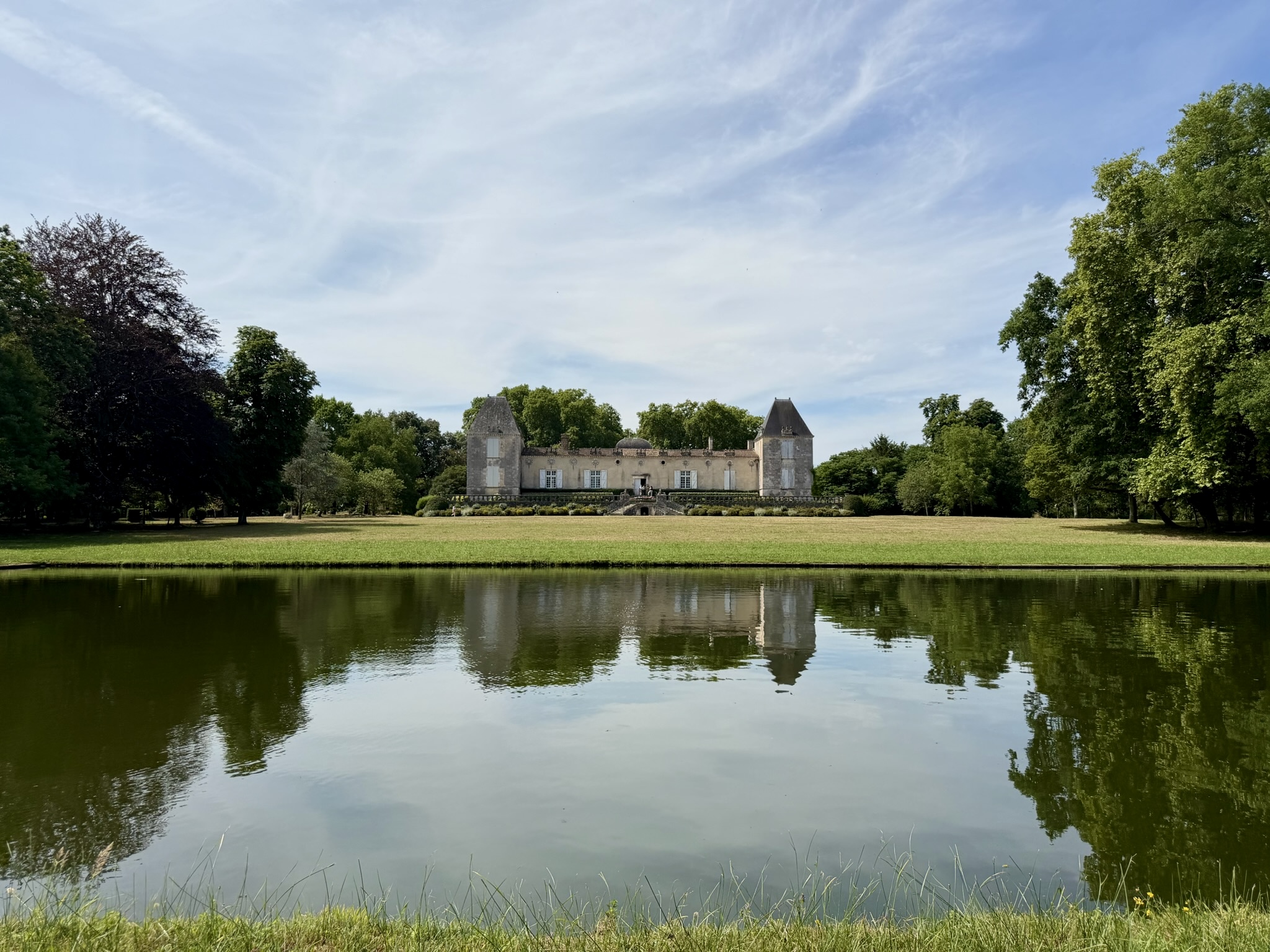
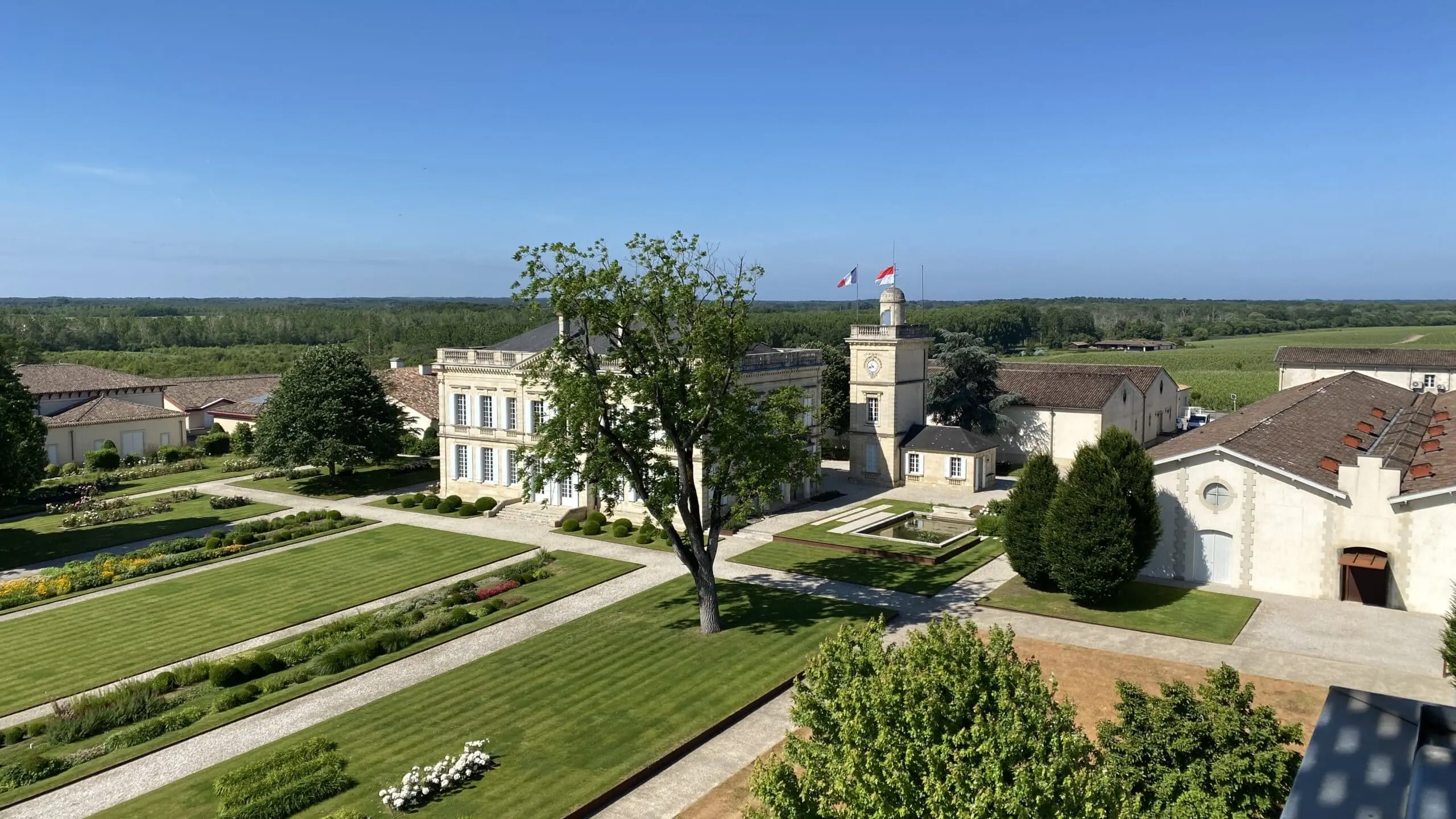
Located in Pauillac, in the heart of the Médoc, Château Mouton Rothschild is one of the most iconic estates in Bordeaux. Owned by the Rothschild family since 1853, the château was classified as a Second Growth in 1855 before making history in 1973 by becoming a First Growth. It remains the only estate ever promoted within the official Bordeaux classification. Discover how wine met art… A unique artistic tradition in the world of wine Since 1945, each vintage of Mouton Rothschild has featured a label designed by a contemporary artist. This bold idea, initiated by Baron Philippe de Rothschild, has become a defining signature of the estate. Wine tasting here

Nothing brings people together like great food and wine. Let us guide you through pairing Bordeaux wines with beloved American classics, from backyard BBQs to Thanksgiving dinners—to make your next meal unforgettable. BBQ & Bordeaux Reds Grilling and Bordeaux reds are a match made in heaven. The tannins and bold flavors of a Left Bank Cabernet Sauvignon blend (like those from Médoc or Côtes de Blaye) beautifully. Additionally, complementing fatty smoked meats like brisket, ribs, and burgers. Beef brisket or rib-eye: A structured Bordeaux Supérieur or Côtes de Bourg accents the smoky, rich flavors. Burgers with bacon & cheddar: Merlot-dominant blends soften the burger’s richness while letting the wine’s dark fruit shine

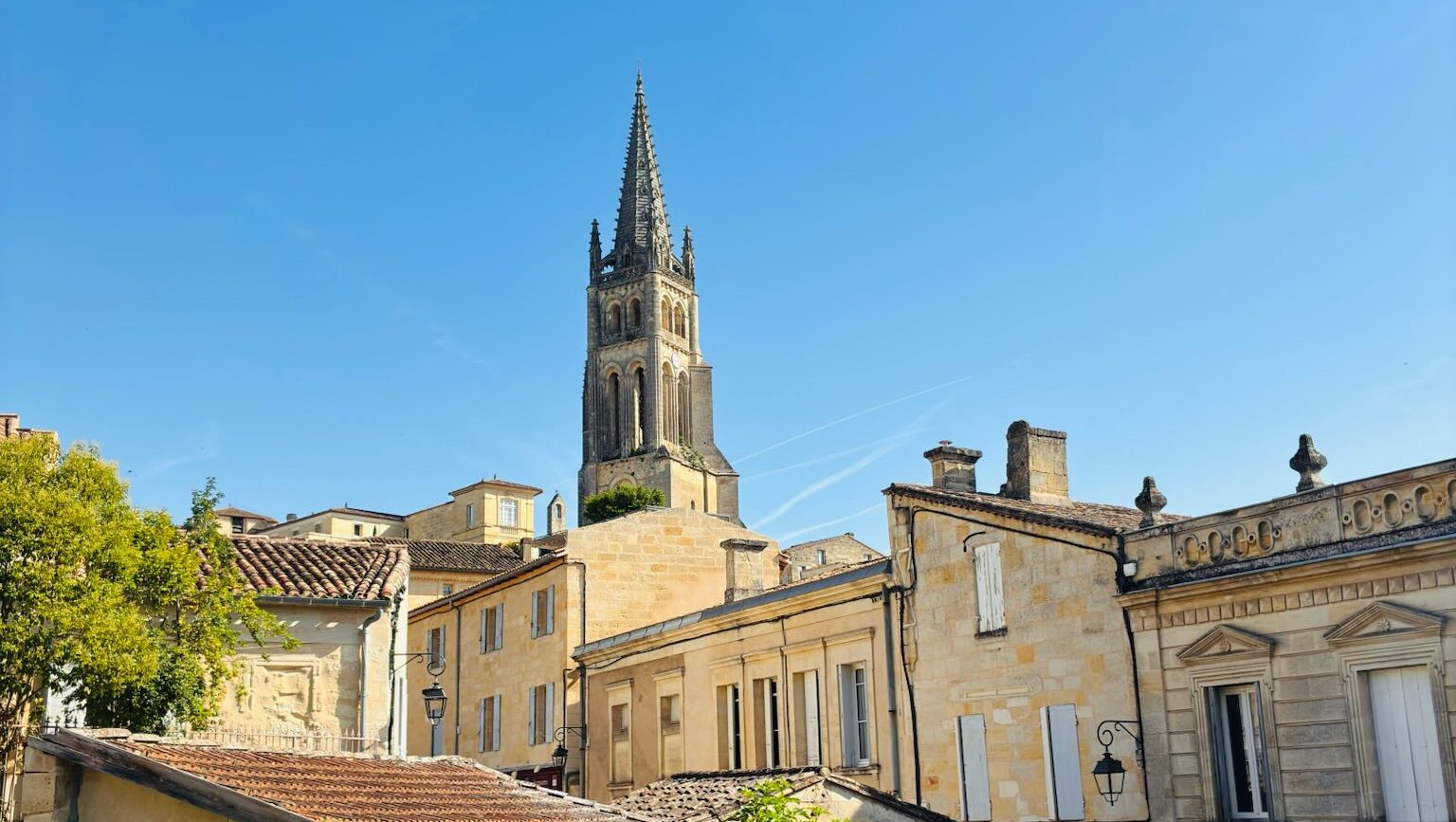
Saint-Émilion is a magical blend of world-class wine, medieval architecture, and local secrets, perfectly positioned just east of Bordeaux. With its UNESCO-listed charm, it promises an unforgettable day trip. Let’s dive in! Underground Monolithic Church Carved from a single block of limestone in the early 12th century, the Monolithic Church of Saint-Émilion is Europe’s largest underground church: a stunning 38 m long and 12 m tall subterranean marvel. What to expect: Guided visits take you through the cavernous nave, catacombs, and ancient fresco fragments. Bonus perk: Climb the 196-step bell tower for sweeping views of the village and vineyard-covered hills. Village Strolls & History Explore Saint-Émilion’s winding cobbled lanes, historic gates, and medieval towers: Porte de la

What is Le Tour de France? Le Tour de France is the world’s most famous and challenging cycling race. Every summer since 1903, professional cyclists from around the globe compete in this multi-stage event. Covering more than 2,000 miles across France. The race route changes every year, but it always finishes in Paris on the Champs-Élysées. Why Is Le Tour de France So Special? Le Tour de France is more than just a race—it’s a celebration of French culture, history, and scenery. The route travels through stunning regions: vineyards, high mountains, medieval villages, and beautiful cities. For travelers, it’s a perfect excuse to experience France like a local, join the crowds,

Still wondering what to get Dad? Check out our Gift ideas for Father’s Day in Bordeaux to find the perfect way to celebrate him. We got you! From vine to wine, there are many great gifts that Bordeaux could surprise you with. What about a wine tour ? What about a great bottle of wine ? We'll help you with the perfect gift. Why Saint-Émilion Makes the Perfect Father’s Day Destination Father’s Day is the ideal moment to whisk Dad away from the ordinary and immerse him in the romance of Bordeaux. Saint-Émilion greets visitors with its UNESCO–listed medieval village, carved monolithic church, and sun-kissed vineyards. A short drive from

Whether you're a wine lover planning your first Bordeaux trip or a curious traveler exploring beyond the city, the Médoc is a must-visit. Here's what you should truly know before stepping foot into one of the world’s most prestigious wine regions. Where Is the Médoc, Exactly? The region lies on the Left Bank of the Gironde estuary in southwestern France. It's about an hour’s drive north of Bordeaux. It stretches roughly 80 kilometers (50 miles) from the town of Blanquefort to Saint-Vivien-de-Médoc near the Atlantic coast. This narrow strip of land is bordered by the Gironde on one side and pine forests on the other, creating a unique maritime climate that

Tasting wine doesn’t have to be complicated or pretentious. Whether you're sipping in sweatpants or planning a trip to Bordeaux. This guide will help you taste wine like a pro with joy, curiosity, and zero intimidation. Step 1: Observe – Let Your Eyes Do the Talking What to Do to Taste Wine Hold your glass against a white surface and tilt it slightly. What to Look For to Taste Wine Color: Is it pale yellow, golden, ruby, or deep purple? Clarity: Is it clear or cloudy? Legs/tears: Swirl and look for streaks running down, these hint at alcohol and body. Step 2: Swirl – Wake Up the Wine Why It Matters Swirling mixes the wine with air, releasing

Every year on April 18th, people around the world come together to celebrate the Journée Internationale des Monuments et des Sites, also known as the International Day for Monuments and Sites. It’s a day dedicated to honoring our shared cultural heritage and recognizing the incredible historical landmarks that connect us to the past, and here in Bordeaux, we’re lucky to be surrounded by them! Whether you're a history buff, an architecture lover, or just someone who loves strolling through beautiful places, Bordeaux is the place to be for this special celebration. Let me take you on a little virtual walk through some of the iconic monuments that make Bordeaux shine. A

From Vine to Distillation Cognac production begins with planting specific grape varieties : Ugni Blanc, Colombard, Folle Blanche, Montils, and Folignan. The Cognac region, stretching from the Charente River to the Atlantic, offers the ideal terroir for these grapes to thrive. Once the grapes ripen, typically in mid-September to mid-October, they are carefully harvested, either by machine or hand. The freshly harvested grapes are immediately pressed to extract high-quality must. Then this must is fermented into a dry, acidic wine without added sugar or sulfites, preserving the grapes natural fruitiness.The resulting wine, with a low alcohol content, is ready for the crucial step of distillation. The defining characteristic of Cognac production is

You carefully select a bottle of wine, considering the occasion, your preferences, and maybe even the food you'll be enjoying. But have you ever stopped to think about the glass you'll be pouring it into? The shape of your wine glass is more than just an aesthetic choice; it's a carefully crafted tool that can significantly impact your overall wine tasting experience.  Just changing the glass design/shape can transform the perception of the same wine by changing how aromas and flavors are delivered to your senses. Anatomy of a Wine Glass: Each Part Plays a Role Each element of a wine glass is designed with a specific purpose: The Bowl of

Truffles, particularly the esteemed Périgord black truffles, are a culinary treasure of the Dordogne region in France. Let's explore in this article their history, origins, rarity, and the best ways to find and enjoy them. Truffles have been cherished since ancient times. The Périgord black truffle (Tuber melanosporum), native to the Dordogne region, gained popularity  in French cuisine during the 19th century. Their unique flavor and aroma have made them a symbol of luxury in gastronomy.  Where Do Black Truffles Come From? These truffles form a symbiotic relationship with the roots of specific trees, notably oaks and hazelnuts, thriving in the soils of the Dordogne. The region's climate and soil composition

You open a bottle, pour the wine, raise your glass, and take a sip. Seems straightforward, doesn’t it? There’s more to wine tasting than it first appears. By adding a touch of mindfulness, you can fully appreciate and articulate the distinct qualities of each wine. The key areas to focus on are its appearance, aroma, and taste. In this article, you'll discover all the different stages of tasting. Appearance of Wine When evaluating a wine’s appearance, it’s about more than just identifying whether it’s red, white, or rosé. The color provides important clues about the grape variety, age, and style of the wine. The shades and intensity offer deeper insights.   For

Saint-Émilion is a small medieval village with a lot to offer. Known for its wines and history, it’s a place where you can explore everything from underground churches to vineyards. If you’re visiting, here are five Saint-Émilion places to absolutely see during your visit in the region.

Bordeaux wines are renowned worldwide. But why are Bordeaux wines unique? Let’s explore what sets them apart. Whether you're a wine lover or just starting, learning what makes Bordeaux unique will enhance your appreciation. Let’s explore what makes Bordeaux wines so special and why they are loved worldwide.

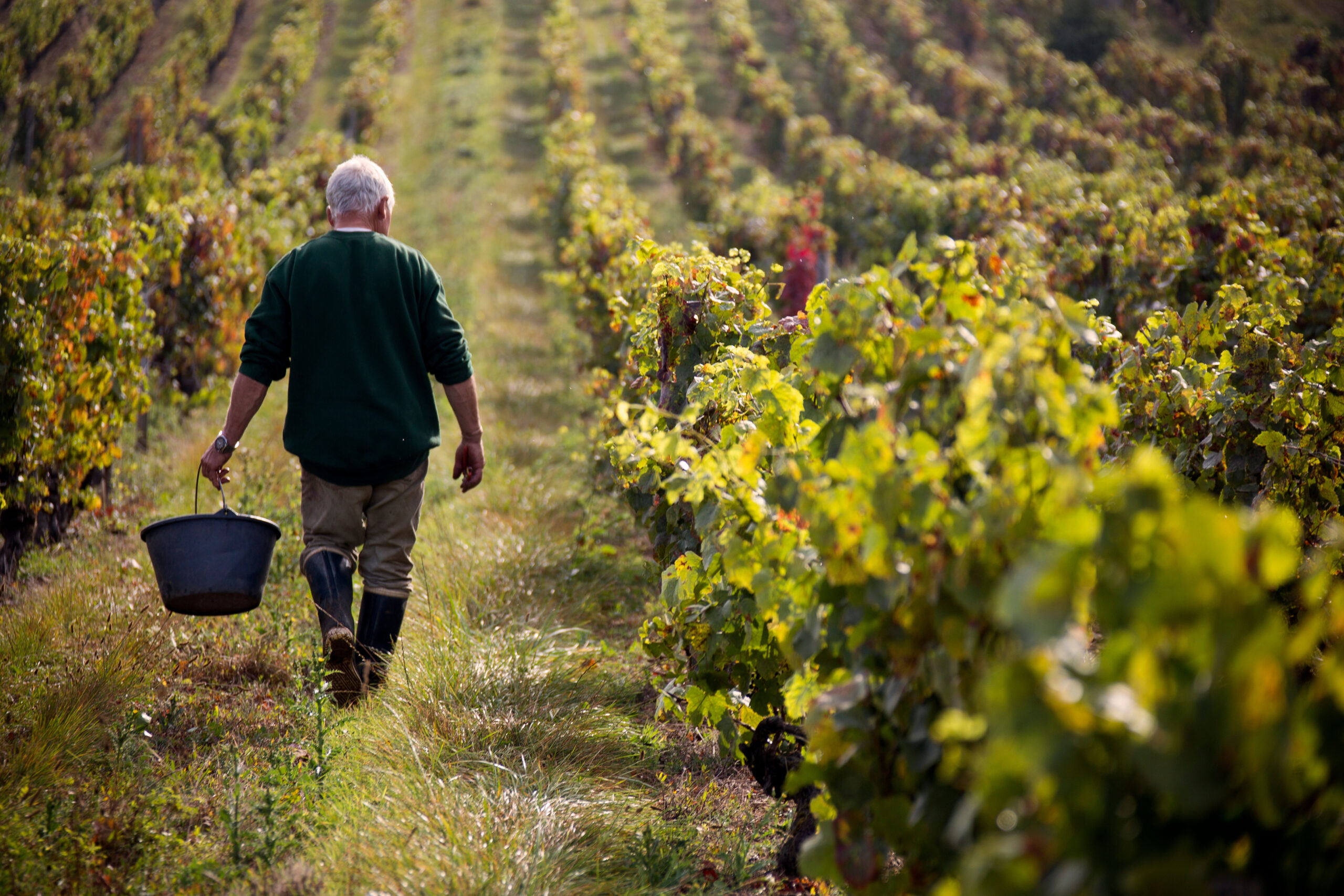
In France, ‘Les Vendanges’ is the annual grape harvest, a centuries-old tradition deeply rooted in the country's rich viticultural heritage. It is a significant event that takes place between August and October every year, as staff, seasonal workers and volunteers from all over the world come together to pick the grapes that have been nurtured with great care and attention over the preceding months.When are the grapes harvested Although Les Vendanges is a term used for the grape harvest across France, the timing as to when each winery harvests their grapes is the result of lots of consideration and discussion among the vineyard managers, the winemakers, and perhaps external

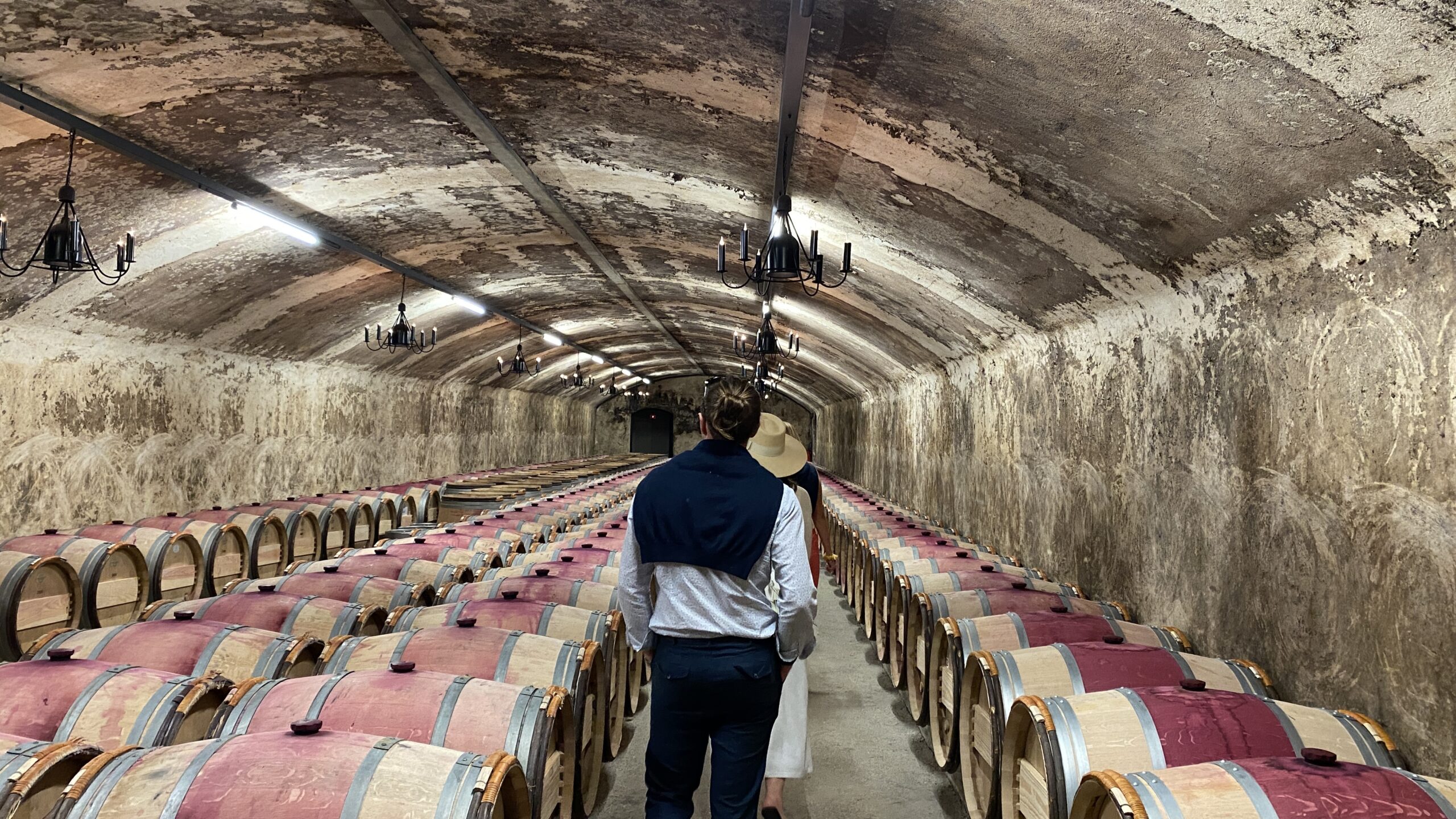
Winemaking is a complex process involving various factors influencing the taste, aroma, and structure of the final product. Many elements contribute to those factors, one of them is the use of oak.  Oak barrels are commonly used in winemaking to impart unique flavors and enhance the aging process. In this article, you’ll discover more about this aging process. The Birth of Oak-Aged Wines This aging practice has been around for centuries. Originally Romans used oak-barrels as storage and transportation for wine. They then realized that oak barrels imparted new qualities to the wine. Thanks to the contact of wood, the wine became softer and smoother, and some of them were even

Did you know that listening to classical music can make wine taste better? It’s well-known that tasting and appreciating wine involves the senses of taste, plus smell and sight, but researchers and anecdotal reports suggest that what you’re listening to also makes a difference as to your perception of what wine tastes like.Tasting wine involves more senses than taste alone Tasting wine firstly involves looking at the wine; is this the medium yellow of a Semillon wine, or the rich deep yellow hue of a sweet Sauterne? A Bordeaux wine that’s a blend of Cabernet Sauvignon and Merlot grapes might be more of an intense deep ruby red than

France is hosting the 2023 Rugby World Cup, the sport’s greatest spectacle, with several matches being played in Bordeaux. Teams from Romania and Fiji will have base camps near Bordeaux, in Libourne and Lormont, and several other teams will also be playing here: Chile, Georgia, Ireland, Samoa, South Africa, and Wales.We’re looking forward to welcoming rugby lovers and other visitors from around the world in September, to experience the best of French culture and hospitality. In between matches, there’s lots to see and do in Bordeaux and beyond, from beautiful architecture, to classic and contemporary cuisine, to riverboat cruises, to sampling some of the countless wonderful wines during

Have you heard of ‘first wines’ and ‘second wines’ (and even third or more wines)? If you haven’t heard of them before and want to find out what it’s all about, read on. First Wines Wine producers in Bordeaux, especially those classified under the 1855 Official Classification of Bordeaux Wines, invest considerable resources, exceptional care, knowledge and skill to make their Grand Cru Classé [Château Name], which is sometimes known as their ‘first wine.’ In short, first wines are made from the very best grapes, harvested when perfectly ripe, from the very best vines, from the very best parcels of land in the vineyard. Grapes harvested from parcels of the best terroir

As the warm summer breeze sweeps over, it's the perfect time to explore the exquisite Bordeaux wines and their ideal food pairings. Bordeaux, renowned for its exceptional vineyards and diverse appellations, offers a delightful range of wines that beautifully complement summer dishes. In this article, we present four Bordeaux appellation wine and food pairings for a memorable summer feast. From starters to desserts, we have you covered! Starter: Château Carbonnieux Blanc (Pessac-Léognan) with Goat Cheese Salad Kickstart your summer feast with a refreshing starter of a Goat Cheese Salad paired with a crisp and vibrant Château Carbonnieux Blanc from the Pessac-Léognan appellation. The wine's elegant blend of Sauvignon Blanc and

You open a bottle, you pour the wine, you raise the glass, you taste it. Simple, right? There’s actually a bit more to it than that. To get the most out of tasting wine, if you take a more methodical approach, you can better describe and appreciate each wine’s unique qualities. The three main aspects to consider are: appearance, nose and palate.AppearanceThe main characteristic is color, but it’s not just red, white or rosé. Grape varieties have different color characteristics, varying in intensity and hue (color shade). For example, white wines range from pale straw yellow, through to the rich deep yellow, gold color of a sweet Sauternes,

When discovering Bordeaux for the first time, one question comes up again and again: should you explore the Médoc or Saint-Émilion? These two iconic regions each represent a unique side of the Bordeaux wine landscape, with distinct scenery, atmospheres, and wine styles. Choosing between them ultimately comes down to your expectations, your personal taste in wine… and the kind of experience you’re looking for. THE MÉDOC, GRANDEUR AND TRADITION AN ICONIC WINE REGION The Médoc is world-renowned for its 1855 Classified Growths, still considered a benchmark today. This is where you’ll find prestigious appellations such as Margaux, Pauillac, and Saint-Estèphe. STRUCTURED LANDSCAPES Long, straight roads lined with vineyards, impressive château estates, and gravel

When people think about Bordeaux wines, they often picture grand châteaux, prestigious appellations, or vintages… but rarely the most essential element: the grape varieties. And yet, they are what give each wine its unique personality. In Bordeaux, wines are almost never made from a single grape variety, but rather from blends. The idea? Combining different grapes to create wines that are balanced, elegant, and truly unique. RED GRAPE VARIETIES Red wines make up the vast majority of Bordeaux’s production. They are known for their elegance, structure, and ability to age beautifully. Cabernet Sauvignon This is the star of the Left Bank, especially in the Médoc. It brings notes of blackcurrant, dark fruits, and

Easter weekend is the perfect opportunity to treat yourself to a gourmet escape… and Bordeaux is an ideal destination for just that. With its prestigious vineyards, refined gastronomy, and indulgent chocolate creations, everything comes together for an experience that is both elegant and delicious. Whether you’re a wine lover, a food enthusiast, or simply looking for a beautiful spring getaway, Bordeaux has everything to charm you. Bordeaux in spring : the perfect destination At Easter, Bordeaux gently comes to life with the arrival of warmer days. Café terraces fill up, the riverfront buzzes with energy, and the vineyards regain their vibrant beauty. It’s the perfect time to discover the region

If there’s one thing that truly embodies the French art of living, it’s cheese. Creamy, aged, bold, or delicate… it’s an essential part of our culture, our meals, and our moments of sharing. So, on National Cheese Day, it’s the perfect time to celebrate it. And if you pair it with a great glass of Bordeaux wine? That’s when things become truly magical. Cheese, a treasure of French heritage France is home to over 1,000 varieties of cheese. Yes, you read that right. Each region has its own specialties, terroir, and traditions. Behind every cheese, there’s a story, a craft, and often passionate producers keeping a unique heritage alive. From

Looking to experience Bordeaux from a fresh perspective ? With its gardens, historic streets, vibrant food culture, and world-renowned vineyards, Bordeaux offers an experience rich in emotion and discovery. Whether you're visiting for an extended stay or just a few days, here are some ideas to help you embrace the true Bordeaux art de vivre. Stroll through Bordeaux’s gardens Start your stay on a gentle note with a walk through Bordeaux’s green spaces. The Jardin Public is one of the locals’ favorite spots to relax, read, or simply enjoy a sunny picnic. Across the Garonne River, the Bordeaux Botanical Garden offers a peaceful retreat filled with diverse plant life. Both

If you're looking for wine regions near Bordeaux or easy day-trip destinations, here are five must-visit areas depending on your taste and interests. Saint-Émilion, for history and architecture lovers Saint-Émilion captivates visitors with its medieval village, underground monuments, and timeless atmosphere recognized by UNESCO. The region produces elegant, generous red wines, primarily based on Merlot, perfect alongside refined cuisine. Ideal if you love historic settings while sipping outstanding wines. Médoc, for fans of powerful Cabernet Sauvignon Médoc, located on Bordeaux’s Left Bank, is known for its structured, deep red wines dominated by Cabernet Sauvignon. Majestic châteaux line some of the most famous appellations in the world. Perfect for those who appreciate bold wines built

Fresh, vibrant, and elegant, rosé wine is the result of a precise winemaking process. Here is rosé winemaking explained in 6 simple steps. 1. Harvesting Rosé is made from red grape varieties such as Merlot, Cabernet Sauvignon, Grenache, or Pinot Noir. Grapes are often harvested slightly earlier to preserve freshness and natural acidity. 2. Crushing and pressing The grapes are gently crushed and pressed to extract the juice. 3. Short skin contact The juice remains in contact with the grape skins for only a few hours. This brief maceration gives the wine its pink color, which can range from pale to deeper shades depending on the duration. 4. Separation Once the desired color is achieved, the

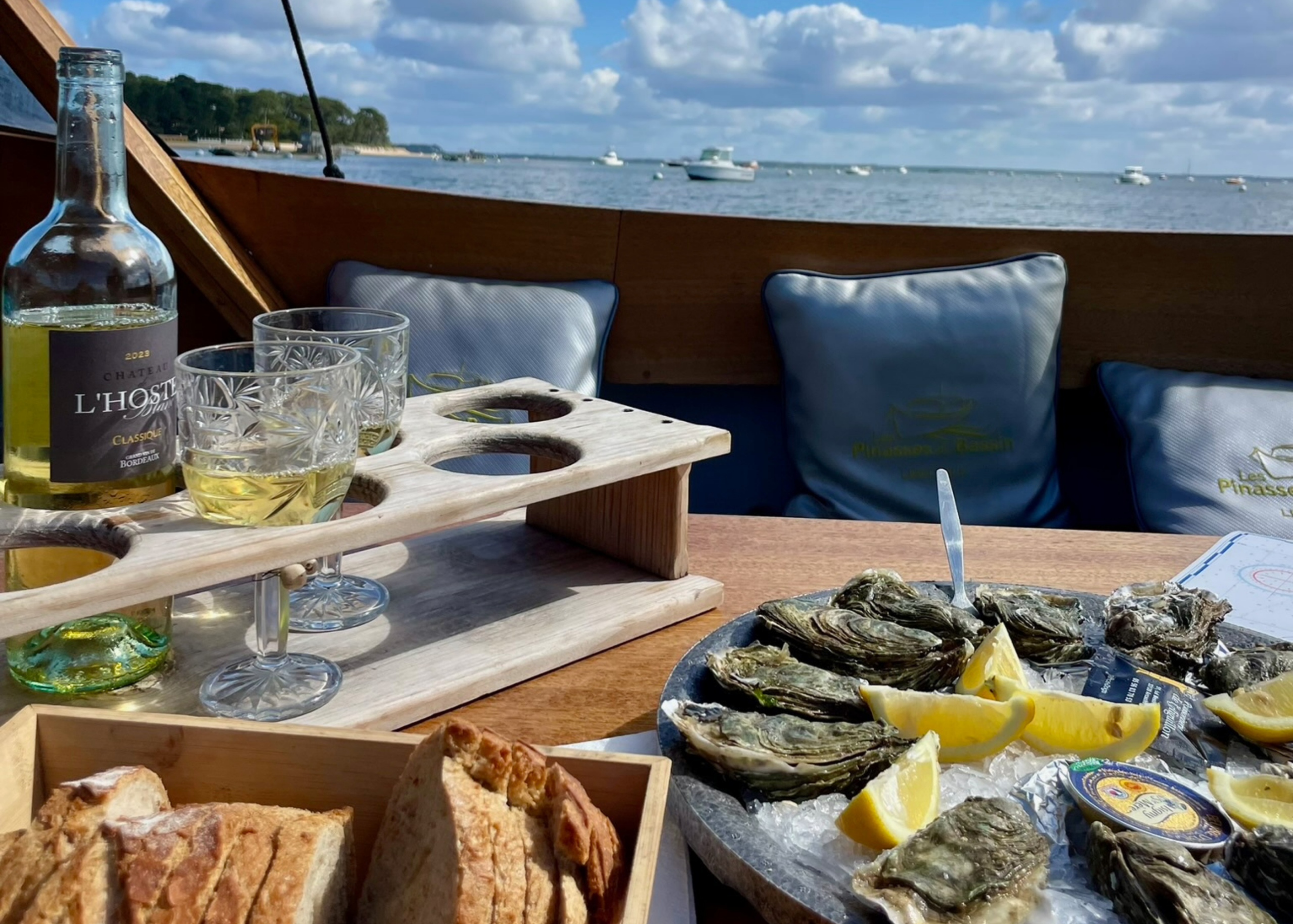
Valentine’s Day is the perfect time to slow down, reconnect, and enjoy a special moment together. If you’re looking for an original way to celebrate, here are three charming experiences combining romance, indulgence, and discovery. A picnic at the Château What could be more romantic than a picnic in the magical setting of a castle surrounded by vineyards ? Settle in comfortably, relax, and enjoy the view while sharing a peaceful moment together. To make this experience even more special, enjoy a wine tasting, adding a convivial and flavorful touch to this charming getaway. A pinasse boat ride with tasting Looking for something a little different ? Step aboard a pinasse, a

Winter in Bordeaux has its own magic. The city slows down, the vineyards are alive with behind-the-scenes activity, and cozy tastings make you feel right at home. Whether you’re wandering charming streets, exploring wineries, or warming up with a great glass of wine, Bordeaux in winter is simply irresistible. Discover Bordeaux at a slower pace In winter, the city takes a deep breath. The streets are quieter, cafés are inviting, and the rhythm of life allows you to really soak in Bordeaux’s charm. Take a stroll along the river, explore historic neighborhoods, or wander through the surrounding vineyards, there’s a unique calm that makes every moment feel special. Behind the scenes

Contact us

87 Quai de Queyries – 33100 Bordeaux – FRANCE

E-mail : info@bordeauxwithelodie.com

Toll free in the USA :  1-877-778-1883 – France : +33 0658462303

Or fill out the contact form below and we'll do our best to respond to your request within 48 hours.