News

HomeNews

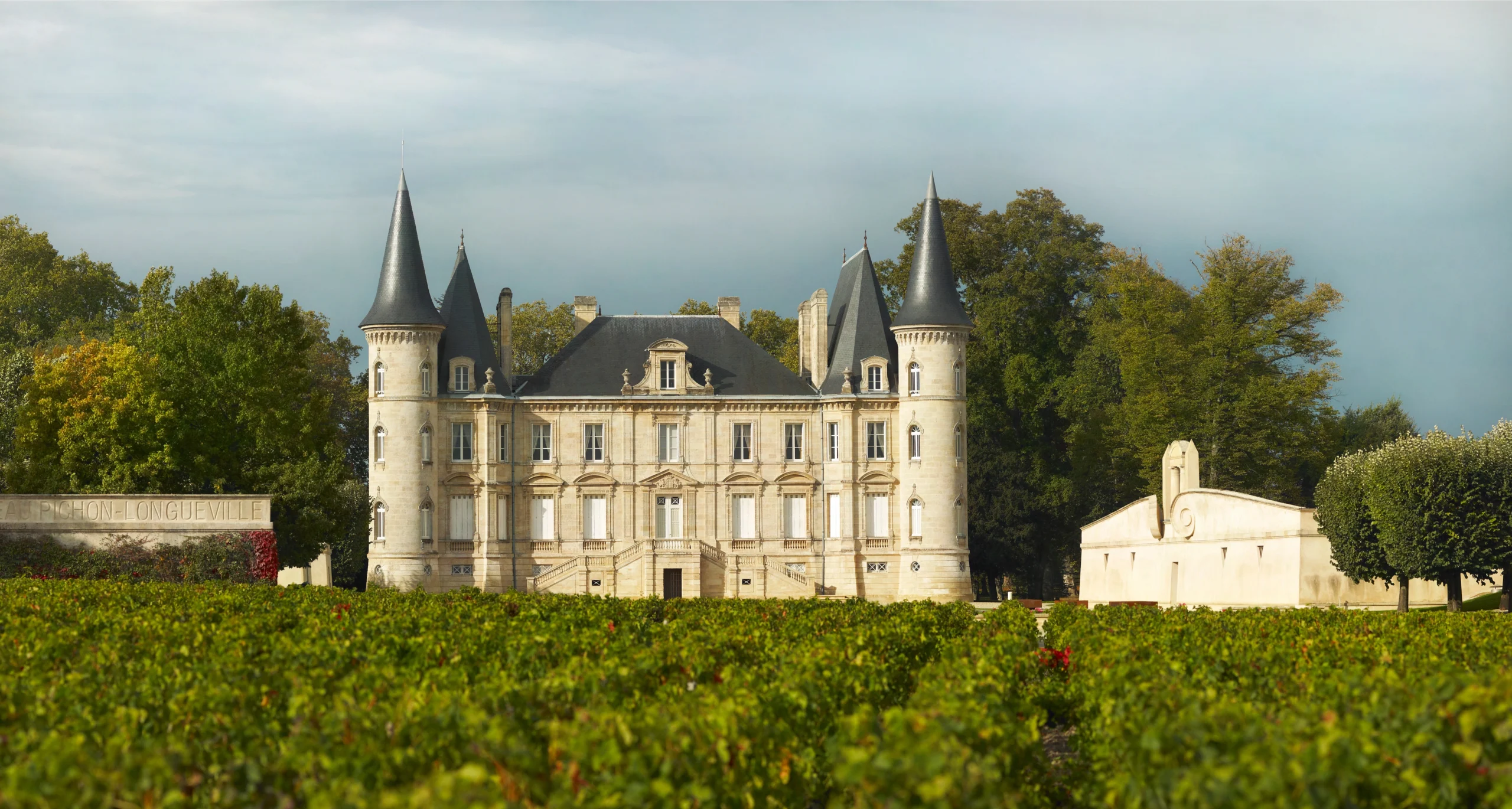
The term “Grand Cru Classé” is everywhere in Bordeaux, yet its meaning is often misunderstood. Behind this prestigious title lies a fascinating history and a set of specific classifications. Here’s what you need to know to better understand Bordeaux’s most renowned wines. The 1855 classification Created for the Paris Universal Exhibition at the request of Napoleon III, the 1855 Classification ranked the top wines of the Médoc based on their reputation and market value at the time. It includes five levels, from First Growth to Fifth Growth, and has remained almost unchanged ever since. The only major update came in 1973, when Château Mouton Rothschild was promoted from Second Growth to

Bordeaux is famous for its world-renowned wines… but the local gastronomy deserves just as much attention! From traditional recipes and local delicacies to sweet treats, here are 4 Bordeaux specialties you simply shouldn’t miss during your stay. The canelé, Bordeaux’s iconic sweet treat With its caramelized crust and soft, tender center infused with vanilla and rum, the canelé has become Bordeaux’s most iconic pastry. Each bakery has its own take : some are crispier, others softer… it’s up to you to find your favorite! The oysters of Arcachon Bay Just one hour from Bordeaux, oysters from Arcachon Bay are one of the region’s most iconic culinary experiences. Our favorite way to enjoy them ? On

The armistice of June 22, 1940 marked a major turning point in French history during World War II. Bordeaux played an important role at the time, as the city temporarily hosted the French government before the German Occupation. Even today, traces of this period can still be seen in the Garonne River. Bordeaux during World War II In June 1940, as German troops advanced across France, the French government withdrew to Bordeaux. A few days later, the armistice was signed with Nazi Germany. During the Occupation, Bordeaux became a strategic port for the Germans, particularly with the construction of the submarine base in the Bassins à Flot district. The ships sunk

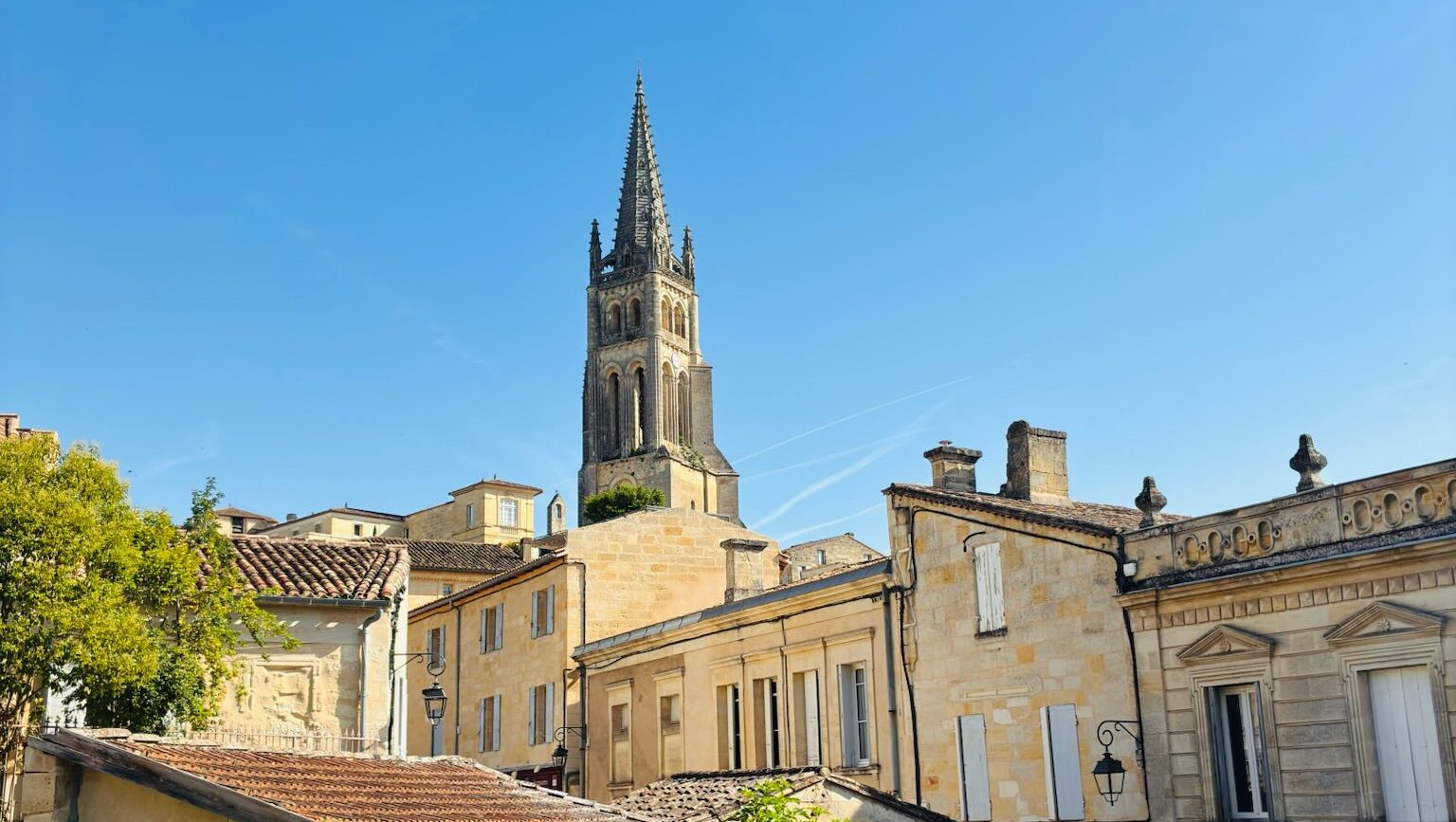
When discovering Bordeaux for the first time, one question comes up again and again: should you explore the Médoc or Saint-Émilion? These two iconic regions each represent a unique side of the Bordeaux wine landscape, with distinct scenery, atmospheres, and wine styles. Choosing between them ultimately comes down to your expectations, your personal taste in wine… and the kind of experience you’re looking for. THE MÉDOC, GRANDEUR AND TRADITION AN ICONIC WINE REGION The Médoc is world-renowned for its 1855 Classified Growths, still considered a benchmark today. This is where you’ll find prestigious appellations such as Margaux, Pauillac, and Saint-Estèphe. STRUCTURED LANDSCAPES Long, straight roads lined with vineyards, impressive château estates, and gravel

When people think about Bordeaux wines, they often picture grand châteaux, prestigious appellations, or vintages… but rarely the most essential element: the grape varieties. And yet, they are what give each wine its unique personality. In Bordeaux, wines are almost never made from a single grape variety, but rather from blends. The idea? Combining different grapes to create wines that are balanced, elegant, and truly unique. RED GRAPE VARIETIES Red wines make up the vast majority of Bordeaux’s production. They are known for their elegance, structure, and ability to age beautifully. Cabernet Sauvignon This is the star of the Left Bank, especially in the Médoc. It brings notes of blackcurrant, dark fruits, and

Easter weekend is the perfect opportunity to treat yourself to a gourmet escape… and Bordeaux is an ideal destination for just that. With its prestigious vineyards, refined gastronomy, and indulgent chocolate creations, everything comes together for an experience that is both elegant and delicious. Whether you’re a wine lover, a food enthusiast, or simply looking for a beautiful spring getaway, Bordeaux has everything to charm you. Bordeaux in spring : the perfect destination At Easter, Bordeaux gently comes to life with the arrival of warmer days. Café terraces fill up, the riverfront buzzes with energy, and the vineyards regain their vibrant beauty. It’s the perfect time to discover the region

If there’s one thing that truly embodies the French art of living, it’s cheese. Creamy, aged, bold, or delicate… it’s an essential part of our culture, our meals, and our moments of sharing. So, on National Cheese Day, it’s the perfect time to celebrate it. And if you pair it with a great glass of Bordeaux wine? That’s when things become truly magical. Cheese, a treasure of French heritage France is home to over 1,000 varieties of cheese. Yes, you read that right. Each region has its own specialties, terroir, and traditions. Behind every cheese, there’s a story, a craft, and often passionate producers keeping a unique heritage alive. From

Looking to experience Bordeaux from a fresh perspective ? With its gardens, historic streets, vibrant food culture, and world-renowned vineyards, Bordeaux offers an experience rich in emotion and discovery. Whether you're visiting for an extended stay or just a few days, here are some ideas to help you embrace the true Bordeaux art de vivre. Stroll through Bordeaux’s gardens Start your stay on a gentle note with a walk through Bordeaux’s green spaces. The Jardin Public is one of the locals’ favorite spots to relax, read, or simply enjoy a sunny picnic. Across the Garonne River, the Bordeaux Botanical Garden offers a peaceful retreat filled with diverse plant life. Both

If you're looking for wine regions near Bordeaux or easy day-trip destinations, here are five must-visit areas depending on your taste and interests. Saint-Émilion, for history and architecture lovers Saint-Émilion captivates visitors with its medieval village, underground monuments, and timeless atmosphere recognized by UNESCO. The region produces elegant, generous red wines, primarily based on Merlot, perfect alongside refined cuisine. Ideal if you love historic settings while sipping outstanding wines. Médoc, for fans of powerful Cabernet Sauvignon Médoc, located on Bordeaux’s Left Bank, is known for its structured, deep red wines dominated by Cabernet Sauvignon. Majestic châteaux line some of the most famous appellations in the world. Perfect for those who appreciate bold wines built

Fresh, vibrant, and elegant, rosé wine is the result of a precise winemaking process. Here is rosé winemaking explained in 6 simple steps. 1. Harvesting Rosé is made from red grape varieties such as Merlot, Cabernet Sauvignon, Grenache, or Pinot Noir. Grapes are often harvested slightly earlier to preserve freshness and natural acidity. 2. Crushing and pressing The grapes are gently crushed and pressed to extract the juice. 3. Short skin contact The juice remains in contact with the grape skins for only a few hours. This brief maceration gives the wine its pink color, which can range from pale to deeper shades depending on the duration. 4. Separation Once the desired color is achieved, the