
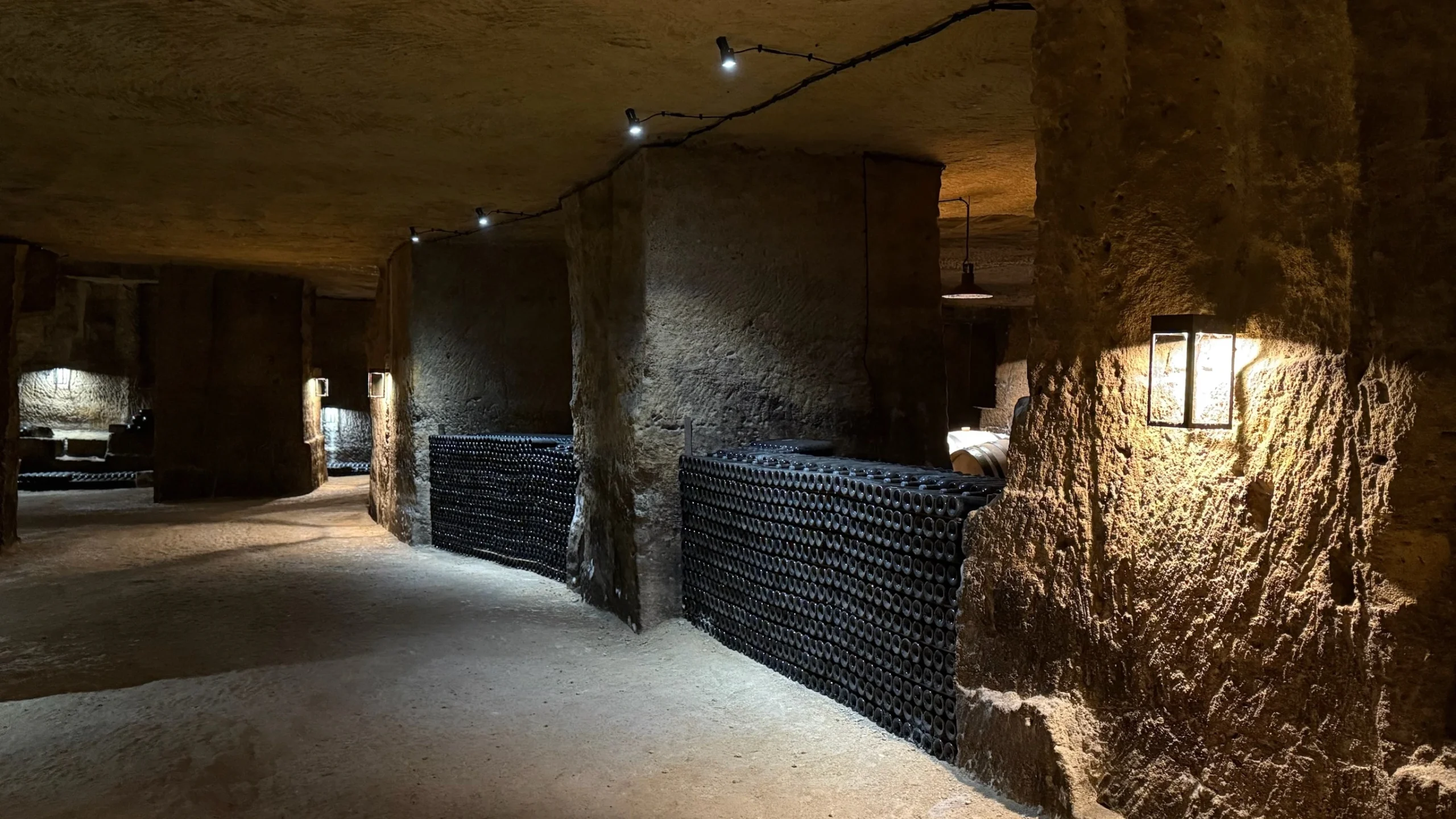
How Bordeaux wine is made: from grape to glass
August 14, 2026
How Bordeaux Wine Is Made: From Grape to Glass
Eight stages, from the first bud on the vine to the cork you pull at your table.
8
stages, from the vine to the glass
3
main grape varieties in the blend
1-3
weeks of fermentation for red wines
12-24
months of oak aging for red wines
Every bottle of Bordeaux tells a story that begins long before it reaches your table. Soil, climate, human expertise and time all shape the journey, which can take anywhere from a few months to several years.
Understanding this process does not just satisfy curiosity: it changes the way you taste and appreciate every sip. Here is each stage of the Bordeaux winemaking process, from the first bud on the vine to the cork you pull at your table.
In the vineyard
Step 1: terroir and the vine. The Bordeaux winemaking process starts with terroir, the unique combination of soil, climate and topography that defines each appellation. On the Left Bank, in areas like the Médoc, gravelly soils favor Cabernet Sauvignon. On the Right Bank, Saint-Émilion’s clay-limestone soils and Pomerol’s clay and gravel soils are better suited to Merlot. Growers prune their vines carefully throughout the year to control yield and concentrate flavor, and they monitor weather, disease pressure and vine health from bud break in spring through summer ripening.
Step 2: the harvest (les vendanges). Harvest typically takes place in September or early October, depending on the vintage’s weather and the maturity of the grapes. On many Bordeaux estates, especially classified growths, pickers still harvest by hand, which lets them select only the ripest, healthiest bunches. Timing is critical: pick too early and the wine lacks ripeness; pick too late and acidity drops while sugar levels soar.
In the winery
Step 3: sorting and crushing. Once harvested, the grapes travel to the winery. There, the team sorts them, often on vibrating tables or optical sorting machines, to remove any unripe or damaged berries. They then destem and gently crush the grapes to release the juice, which begins its transformation into wine.
Step 4: fermentation. This is where sugar becomes alcohol, thanks to the action of yeast. In Bordeaux it typically happens in stainless steel or concrete vats. Winemakers carefully control the temperature to preserve aromatic freshness while extracting color and tannin from the grape skins. For red wines the process often lasts one to three weeks, and up to five for very concentrated wines, and the juice is regularly pumped over the skins to enhance extraction.
Step 5: blending, the Bordeaux signature. Unlike many wine regions that bottle single-variety wines, Bordeaux is famous for the art of blending. Winemakers combine different grape varieties, primarily Merlot, Cabernet Sauvignon and Cabernet Franc, and fine-tune the proportions after extensive tasting trials to balance fruit, structure and aging potential. This decision gives each château its distinctive style, year after year. Would you like to try the blending workshop? Come try one in Bordeaux!
Terroir, timing, technique and patience all play their part.
From barrel
to glass
Step 6: aging in oak barrels. After fermentation, winemakers move the wine to oak barrels. This stage can last 12 to 24 months for red wines. Oak imparts subtle flavors of vanilla, spice and toast, and allows slow oxygenation, which softens tannins and builds complexity. The choice of new or used barrels, and of French or other oak, is another key decision shaping the final wine’s character.
Step 7: bottling and further aging. Once the winemaker judges that the wine has reached the right balance, it is bottled, often after light fining and filtration. Many Bordeaux wines, particularly from classified estates, benefit from additional bottle aging that can last for years or even decades before the wine reaches its peak.
Step 8: from cellar to glass. The final step happens far from the vineyard. You open the bottle, perhaps decant it to release its aromas, then pour it into a glass. Every choice made months or years earlier, from the vineyard’s soil to the proportions of the blend to the length of oak aging, culminates in that first sip.
Three decisions that shape the wine
The choices behind every bottle
Across the eight stages, a few decisions weigh more than the rest.
When to pick
Step 2
Pick too early and the wine lacks ripeness. Pick too late and acidity drops while sugar levels soar.
The blend
Step 5
Merlot, Cabernet Sauvignon and Cabernet Franc, in proportions fine-tuned after extensive tasting trials. This gives each château its distinctive style.
The barrel
Step 6
New or used barrels, French or other oak: each choice shapes the character of the final wine.
Nature and craftsmanship
Each bottle carries the imprint of its vineyard, its vintage and the winemaker’s decisions at every stage. The next time you pour a glass of Bordeaux, you will know exactly the path it took to get there.
Private tour
See it firsthand
The journey from grape to glass in Bordeaux blends nature and craftsmanship in remarkable ways.
Want to see it firsthand, straight from the cellar? Book a private wine tour in Bordeaux and walk the vines, the winery and the barrel cellar with an expert guide.

