
September 11, 2026
Saint-Émilion or Médoc: Which One Should You Choose First?
Start with the Médoc for the grandeur, keep Saint-Émilion for the intimacy.
1 hour+
between the Médoc and Saint-Émilion
2 days
the ideal rhythm to see both regions
2
well-chosen estates, plus a great lunch
UNESCO
the medieval village of Saint-Émilion
If you only have one day in Bordeaux wine country, I generally recommend starting with the Médoc. It gives you the classic, postcard image of Bordeaux: grand châteaux, endless rows of vines, Cabernet Sauvignon at its most powerful.
It also sets the scene for Saint-Émilion, which I like to keep for a second day, when you’re ready for something more intimate. After organizing many wine tours around these two regions, I can tell you the real answer depends on the kind of day you’re after.
What's the real
difference?
The simplest way I explain it to my guests: the Médoc is Cabernet Sauvignon country, and Saint-Émilion is Merlot country.
In the Médoc, the gravelly soils along the Gironde estuary suit Cabernet Sauvignon, which needs plenty of sun and good drainage to ripen fully. The wines are structured, tannic and built to age for decades: think Margaux, Saint-Julien and Pauillac. They are the wines that made Bordeaux famous, and the 1855 Classification, still used today, comes almost entirely from this region.
Saint-Émilion sits on the Right Bank, where the soils hold more clay and limestone. Merlot thrives here, giving wines that are rounder, softer and more approachable when young, with ripe red fruit rather than the more austere character of a young Médoc.
If Médoc wines ask for patience, Saint-Émilion wines are a little more immediately generous. Neither is better, and tasting them side by side in the same week is one of the best ways to understand Bordeaux.
Which region fits
your travel style?
This is the question I ask my guests before I even mention wine.
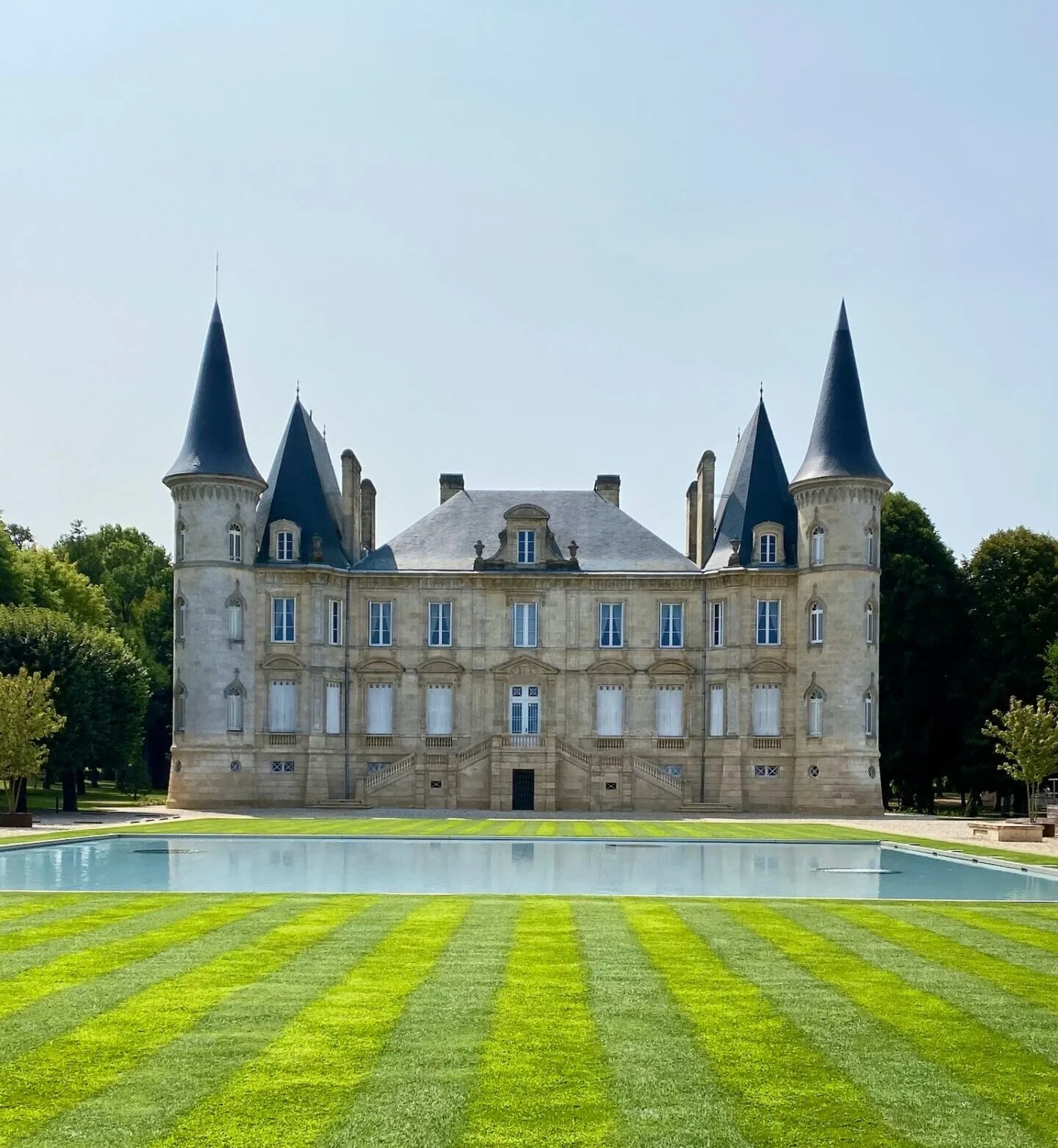
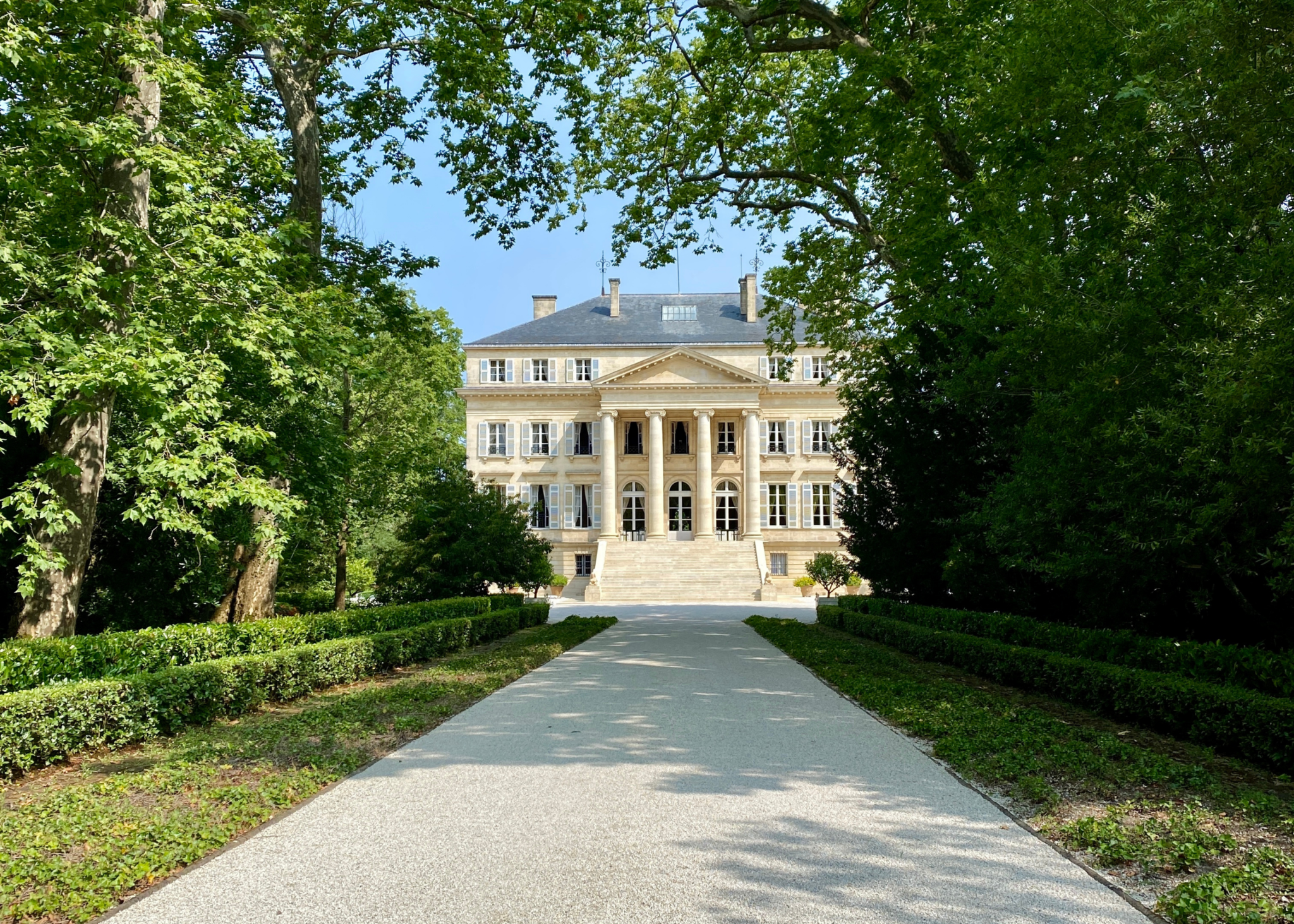
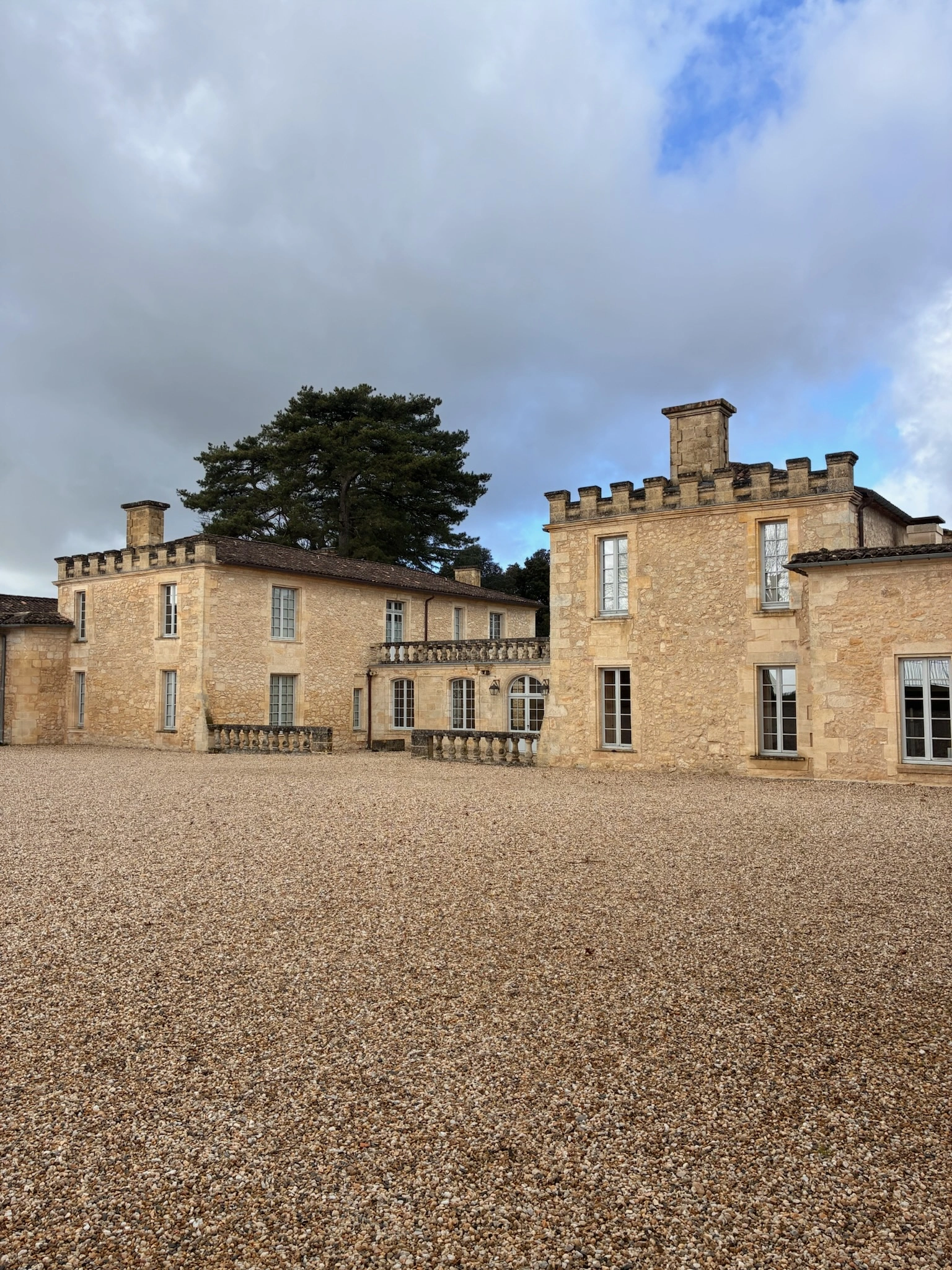
Choose the Médoc first if you want the grandeur of famous names such as Margaux, Pichon, Palmer and Beychevelle, along with the Route des Châteaux, lined with some of the most recognizable estate gates in the world. It also suits you if you prefer a classic, more formal tasting at larger historic properties, or want to understand the 1855 Classification before anything else.
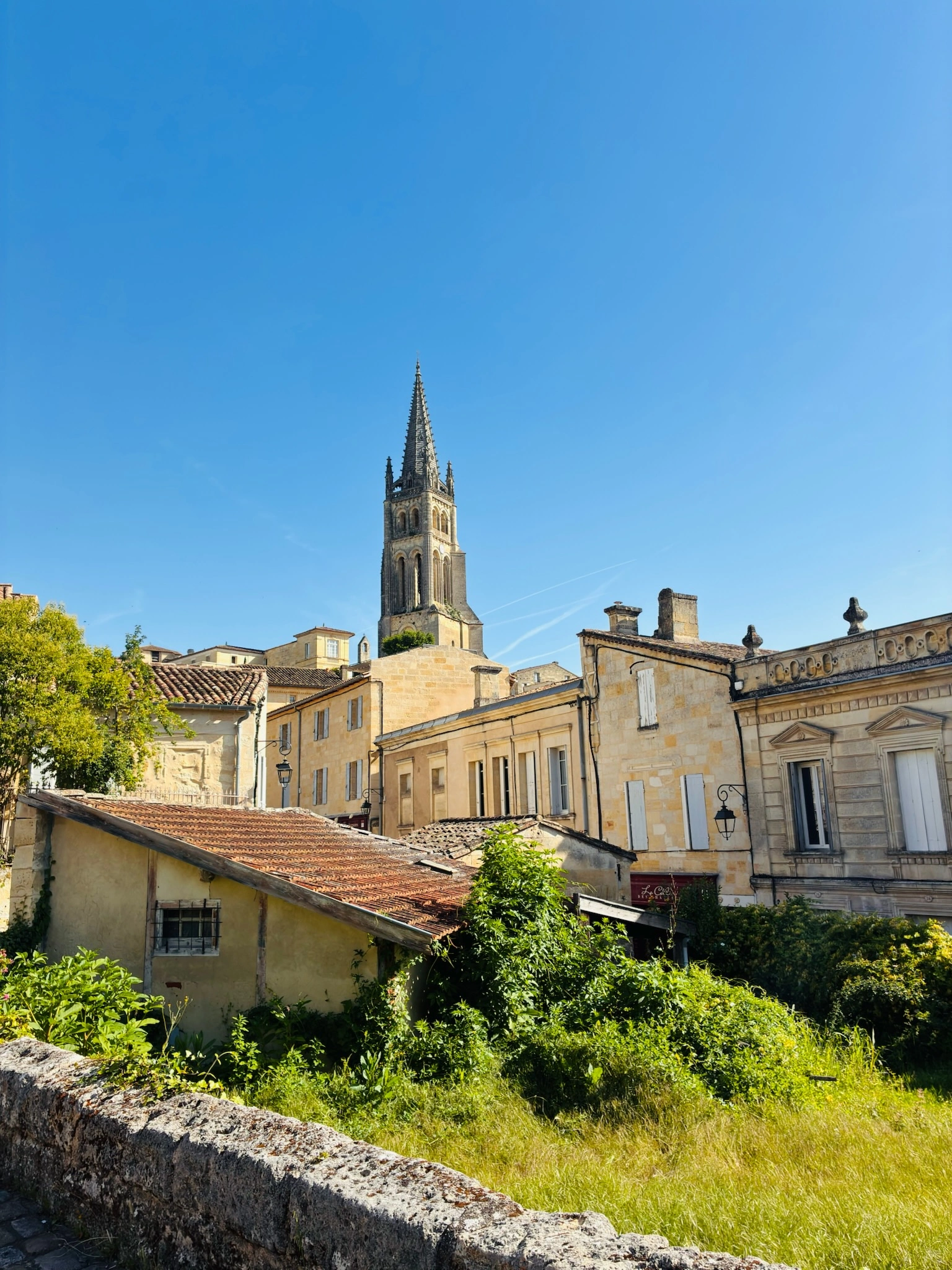
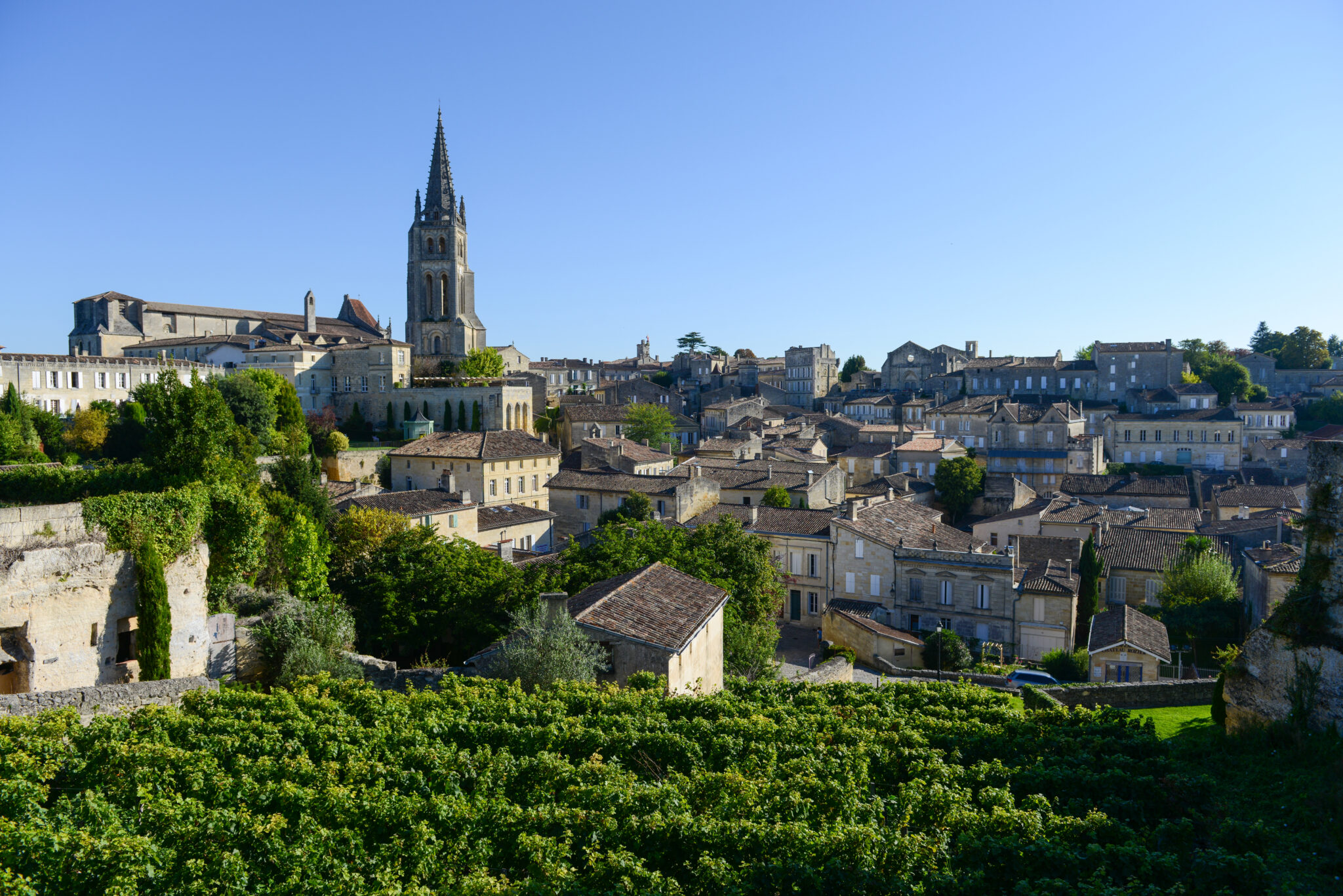
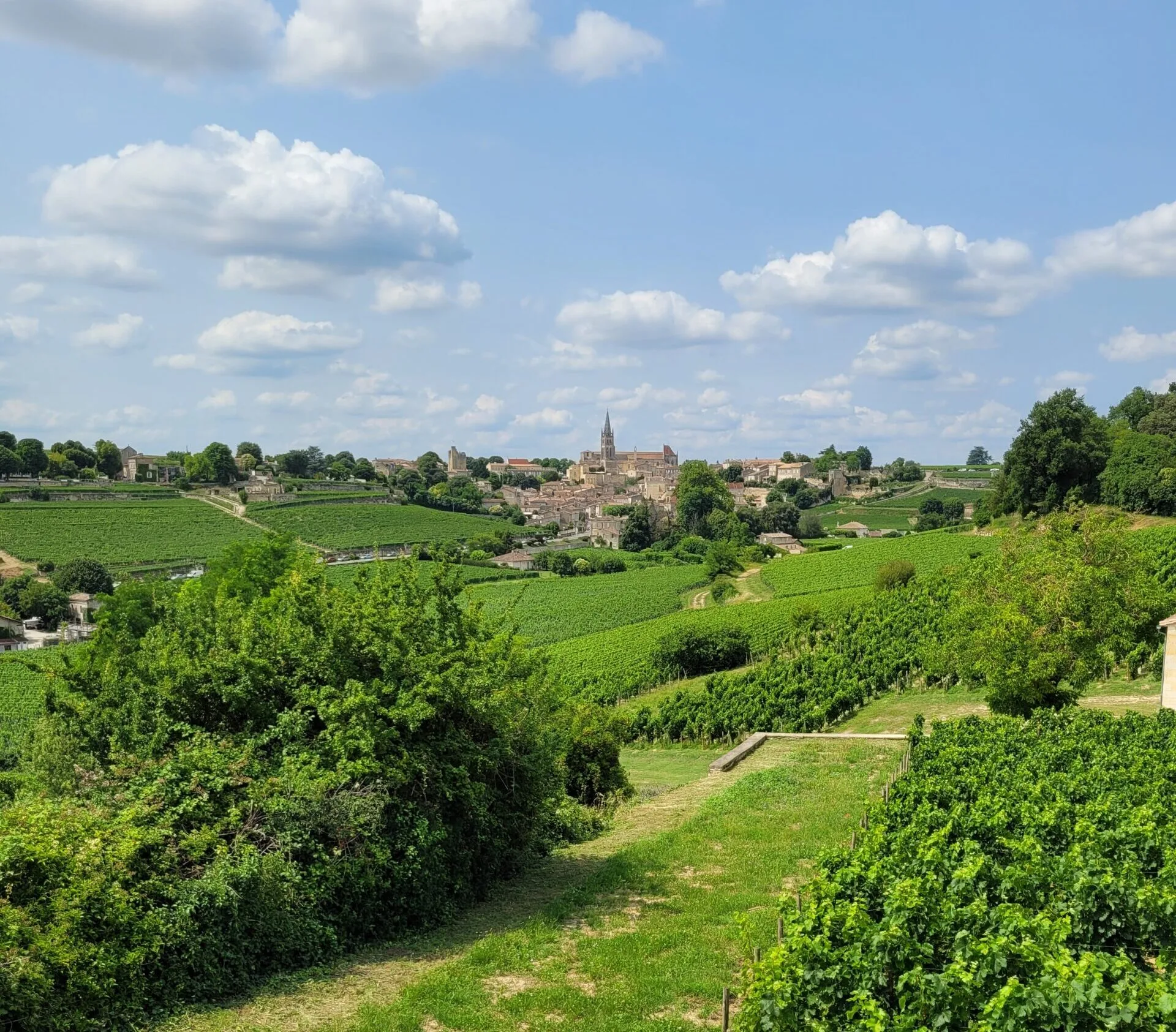
Choose Saint-Émilion first if you want to walk through an actual medieval village, a UNESCO World Heritage site with cobbled streets and cellars carved into limestone. It also suits you if you prefer smaller, family-run estates where you are more likely to meet the winemaker, and a softer pace with wine woven into a day of village life.
Most of my guests, especially on a first trip, end up loving both for completely different reasons. That is why I rarely recommend choosing only one when you have more than a single day.
Start with the Médoc for the grandeur, save Saint-Émilion for the intimacy.
Can you visit both
in one day?
Technically yes, but I don’t recommend it, and I’ll tell you honestly why. The Médoc and Saint-Émilion sit an hour or more apart, on opposite sides of the Gironde estuary. Doing both properly, with unrushed château visits, real conversations with your host and a proper lunch, doesn’t fit into a single day without turning it into a checklist.
Three château visits in one day is possible. But two well-chosen visits and a great lunch almost always make a more enjoyable day than three visits squeezed back to back. I would rather my guests leave with two vivid memories than four blurry ones.
If your schedule really allows only one day, I usually suggest picking one region and doing it properly, rather than splitting the day between both.
The itinerary I recommend
Two days, two moods
For guests with two days, this is the rhythm that tends to work best. It lets the two regions contrast with each other instead of blurring together.
Médoc
Day 1
Morning pickup in Bordeaux, a drive along the Route des Châteaux and a visit to a Margaux or Saint-Julien estate. Lunch at a local restaurant or a picnic among the vines, then a second, more intimate winery visit in the afternoon.
Saint-Émilion
Day 2
A morning visit to a family-run estate, then a guided walk through the medieval village. Lunch in town or on a château terrace, and an afternoon tasting at a second property, sometimes extending toward Pomerol.
Left Bank and Right Bank
The result
By day two, most of my guests can taste the difference between a Left Bank and a Right Bank wine without me telling them which is which.
Left Bank, Right Bank
Cabernet Sauvignon’s structure on one side, Merlot’s warmth on the other. Tasting both in the same trip is the quickest way to understand Bordeaux.
Private tour
Let us build your itinerary
Wherever you start, the most important thing is not rushing it. A slower day with two well-chosen estates will always beat a checklist, and it is the sequence I have seen work year after year for guests arriving with the same question you probably had before reading this.
If you would like help building the itinerary around your dates, we would be happy to put one together for you.