The 1855 Classification : The Ranking That Still Defines Bordeaux Wine

The 1855 Bordeaux Classification is one of the first things curious wine lovers ask me about before their Médoc tour. Created over 170 years ago, this ranking still shapes which châteaux you’ll visit, what you’ll pay for a bottle, and how Bordeaux wine is talked about today. In this guide, I’ll walk you through how it came to be, how the ranking works, and why it still matters when you’re standing in a Médoc vineyard, glass in hand.

What Is the 1855 Bordeaux Classification?

At its core, the 1855 Classification ranks Bordeaux’s top estates into five tiers, from Premier Cru down to Cinquième Cru. It was drawn up for the 1855 Paris World’s Fair, when Bordeaux’s wine brokers ranked the region’s finest wines almost entirely by trading price, in just a couple of weeks.

The list covered 58 estates, nearly all in the Médoc, with one exception : Château Haut-Brion, from Graves, was too prestigious to leave out. A separate two-tier ranking covered the sweet wines of Sauternes and Barsac, giving Château d’Yquem its own category, Premier Cru Supérieur, a title no other estate has held since.

What strikes most visitors is how little the list has changed. In 170 years, there have been only two updates: Château Cantemerle was added as a Fifth Growth months later, and in 1973, Château Mouton Rothschild became the only estate ever promoted to First Growth. Everything else remains exactly as it was in 1855.

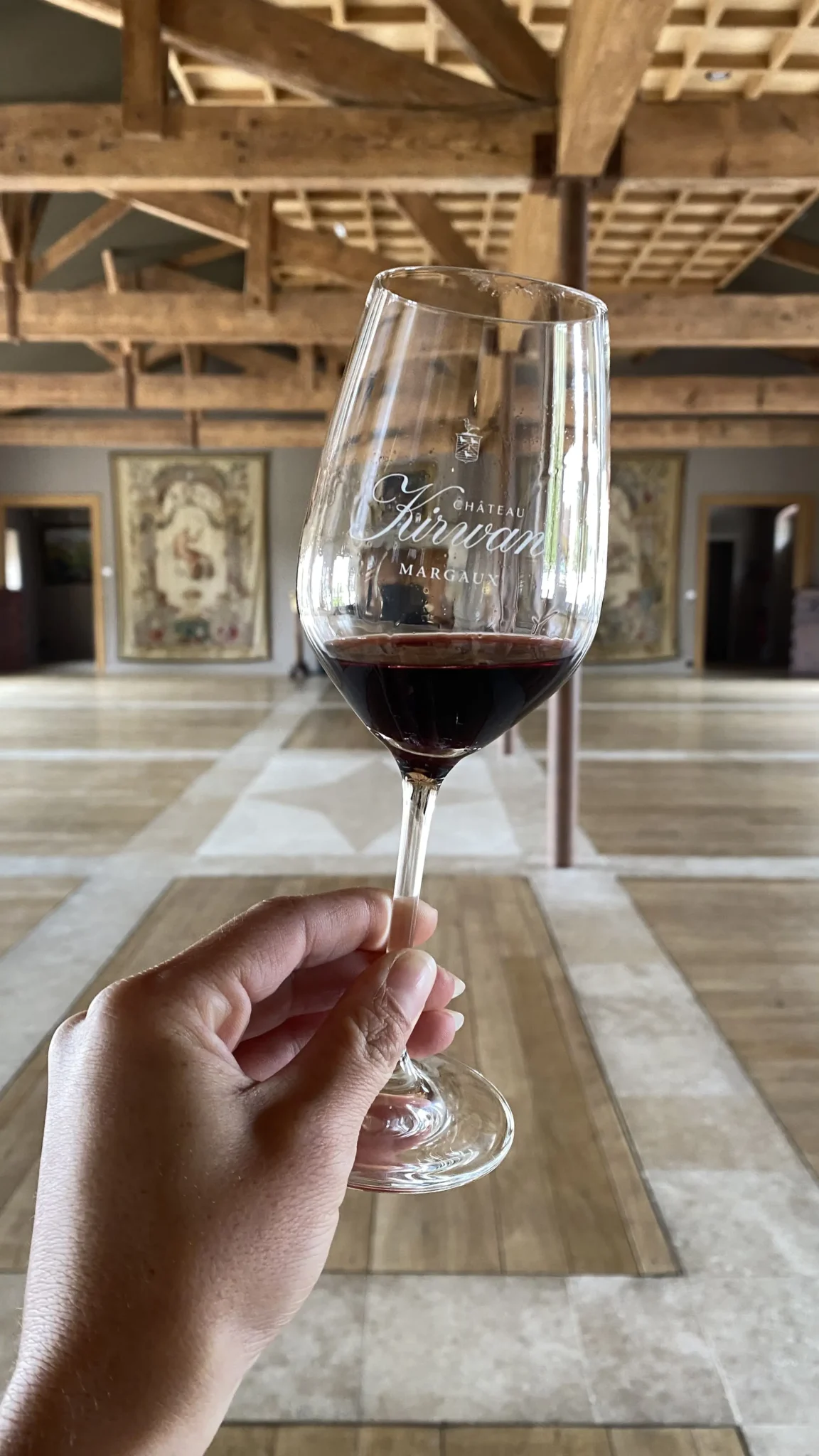
Kirwan chateau medoc
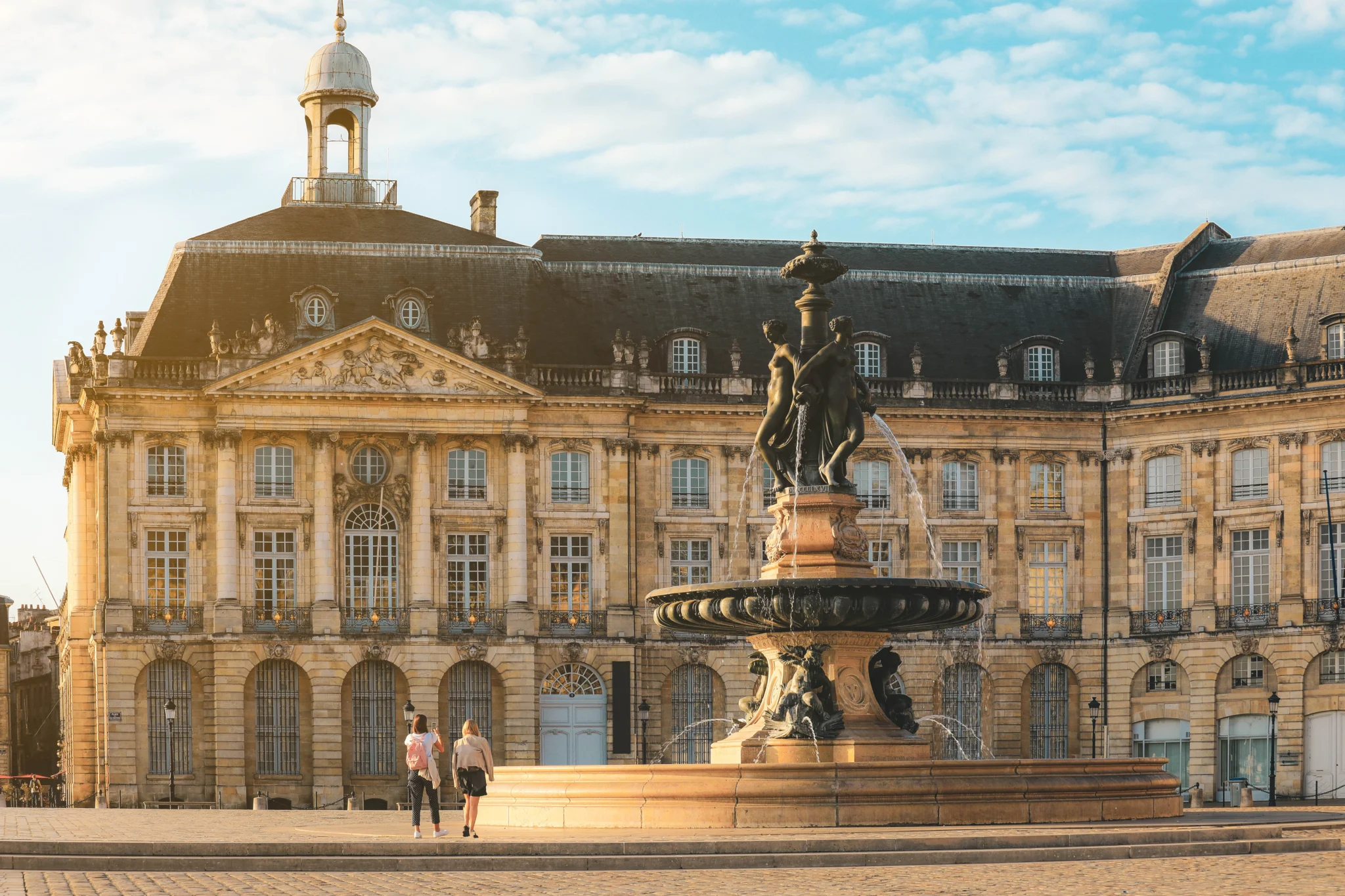
Place de la Bourse and the Water Mirror in Bordeaux at sunset

Why Was the Classification Created in 1855 ?

The story starts with Napoleon III, who wanted Bordeaux’s best wines on display at the 1855 Paris World’s Fair, a major event showcasing the best of France. He asked the Bordeaux Chamber of Commerce to put together an exhibit worthy of the occasion.

The Chamber handed the job to the region’s wine brokers, who knew the market best. Rather than tasting every wine, they ranked estates by something more measurable : the prices their wines had fetched over previous decades. Since price and reputation had long gone hand in hand in Bordeaux, it was a fast, practical way to settle a politically delicate task in just two weeks.

How Were the Châteaux Ranked ?

The system is simpler than it looks : five tiers for red wines, based purely on each estate’s average selling price, no blind tastings, no quality debates, just pricing data the brokers already had.

The final list held 58 estates : 4 First, 12 Second, 14 Third, 11 Fourth, and 17 Fifth Growths. A separate, shorter list covered Sauternes and Barsac, with Château d’Yquem standing alone at the top.

Which Châteaux Made the List, and Which Didn't?

At its core, the 1855 Classification ranks Bordeaux’s top estates into five tiers, from Premier Cru down to Cinquième Cru. It was drawn up for the 1855 Paris World’s Fair, when Bordeaux’s wine brokers ranked the region’s finest wines almost entirely by trading price, in just a couple of weeks.

Nearly every estate comes from the Médoc : mainly Pauillac, Saint-Julien, Margaux, and Saint-Estèphe, plus Château Haut-Brion in Graves, added for being too well-regarded to leave out.

What surprises my guests most is what’s missing : the Right Bank. Estates like Château Cheval Blanc or Château Ausone in Saint-Émilion aren’t part of the 1855 Classification, not because they were lesser wines, but because Saint-Émilion and Pomerol fell under a different trading system at the time. Saint-Émilion later created its own classification, which I’ll cover in a future article.

Has the Classification Ever Changed?

Only twice, officially. Château Cantemerle was added as a Fifth Growth just months after the original list, and in 1973, after decades of lobbying, Château Mouton Rothschild became the only estate ever promoted, from Second to First Growth.

Beyond that, the ranking has stayed frozen. A few estates have split or merged over the years, which is why you’ll sometimes see 61 listed instead of 58, but the tiers themselves haven’t moved.

Why Does the 1855 Classification Still Matter Today ?

For a system built in two weeks on 170-year-old pricing data, its influence is outsized. Classified status still drives global demand and pricing, and remains the reference point for what “great Bordeaux” means to many collectors.

That said, I always tell my guests not to treat it as gospel. Plenty of unclassified châteaux, in the Médoc and beyond, now rival or outperform their classified neighbors. The classification is fascinating history and a useful starting point, but not the final word on quality, which is why tasting for yourself is still the best way to understand Bordeaux.

Wine & history classification